
Film Review - The Secret Agent (2025)
- Alex Kelaru

- Mar 1
- 3 min read
The Secret Agent is not a film preoccupied with holding its audience’s attention. It does not rush to entertain or structure itself around constant narrative hooks. Instead, it moves deliberately, almost stubbornly at times. But if you stay with it, the reward is immense.
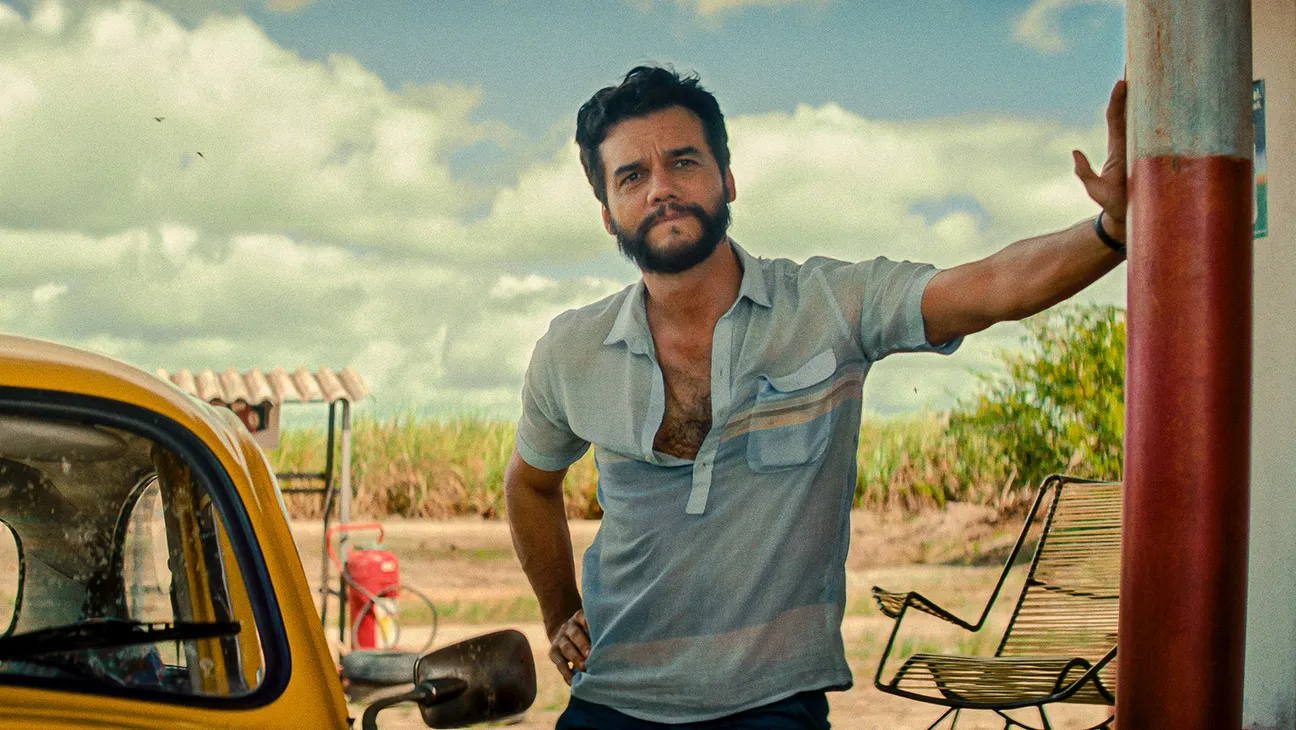
Set during Brazil’s military authoritarian rule in the 1970s, the film explores a society suffocated by censorship, persecution and cultural manipulation. It does so not through spectacle, but through character. At the centre is Armando, played by Wagner Moura, who goes by the name Marcelo. He returns to Recife to see his son, who has been living with his grandfather for years, at a time when the city exists under heavy military control. Violence and repression shape everyday life. The regime treats culture as a battlefield. Newspapers are censored, films and songs are banned or altered, artists are exiled or disappear and even seemingly apolitical content is scrutinised for subversive meaning.
We enter this world through Armando and gradually learn that he is a political dissident, on the run from a corrupt corporate CEO with deep government ties who wants him permanently eliminated. He lives undercover in a part of the city that quietly shelters others like him, people attempting to preserve fragments of normal life while constantly looking over their shoulders. Around him are richly drawn characters: Dona Sebastiana, an elderly matron who commands every scene she is in; Claudia, a single mother who feels life has already passed her by; and others who have accepted that they may never escape their hidden existence.
What the film achieves so effectively is not simply showing oppression, but making you feel it. Beyond the tropical humidity of Recife, there is a suffocating atmosphere that permeates every street and conversation. Words are measured. Glances linger. It feels as though an invisible industrial press is slowly descending, increasing anxiety and feeding paranoia. The tension rarely explodes, yet it is always present.


There are very few action sequences, in fact only one major one near the end, but by the time violence erupts, the dread is already firmly embedded. One hired killer evokes the quiet menace of Anton Chigurh from No Country for Old Men, and that comparison alone signals the level of fear the film cultivates. The antagonists are not loud or theatrical, yet they carry an unsettling depth that makes them genuinely threatening.
Midway through the film, a shocking sequence involving a seemingly mundane detail, the now infamous hairy leg scene, distils paranoia into something surreal and deeply disturbing. It lasts only a few minutes, but it symbolises the psychological corrosion of living under constant suspicion. In a society governed by fear, paranoia becomes instinct and the film captures that with unnerving precision.
Wagner Moura’s performance is excellent, portraying a man quietly burdened by grief and family alienation through no fault of his own. His work here feels restrained and internal, yet emotionally powerful.
The Secret Agent may test your patience, but it absolutely rewards it. This is a film that sneaks up on you, settles under your skin and will stay there long after the film ends but will never fade into obscurity. It is not designed to entertain in the conventional sense. It is designed to immerse you in a world of quiet suffocation and moral tension.

