
Film Review - No Other Choice (2026)
- Alex Kelaru

- Feb 2
- 3 min read
I have come to expect greatness from South Korean directors, for example Bong Joon-ho, who made Parasite, a film that made history at the Oscars by winning both Best Film and Best International Film.
The same expectation applies here. Park Chan-wook first made waves internationally with Oldboy, followed by The Handmaiden, which is a stunning fairy tale of a film to both watch and listen to, with an exceptional soundtrack. Then came Decision to Leave. All of these films are either nominated for, or winners of, major awards, and for good reason.
With No Other Choice, Park Chan-wook continues this run of impressive films, this time tackling a more contemporary subject that somehow still feels timeless. At its core, this is a film about the consequences of progress. I have never gone wrong with one of his films, and I strongly recommend seeing this in the cinema, or renting it on streaming when it becomes available. This is absolutely worth the ticket price.
So, what is it about?
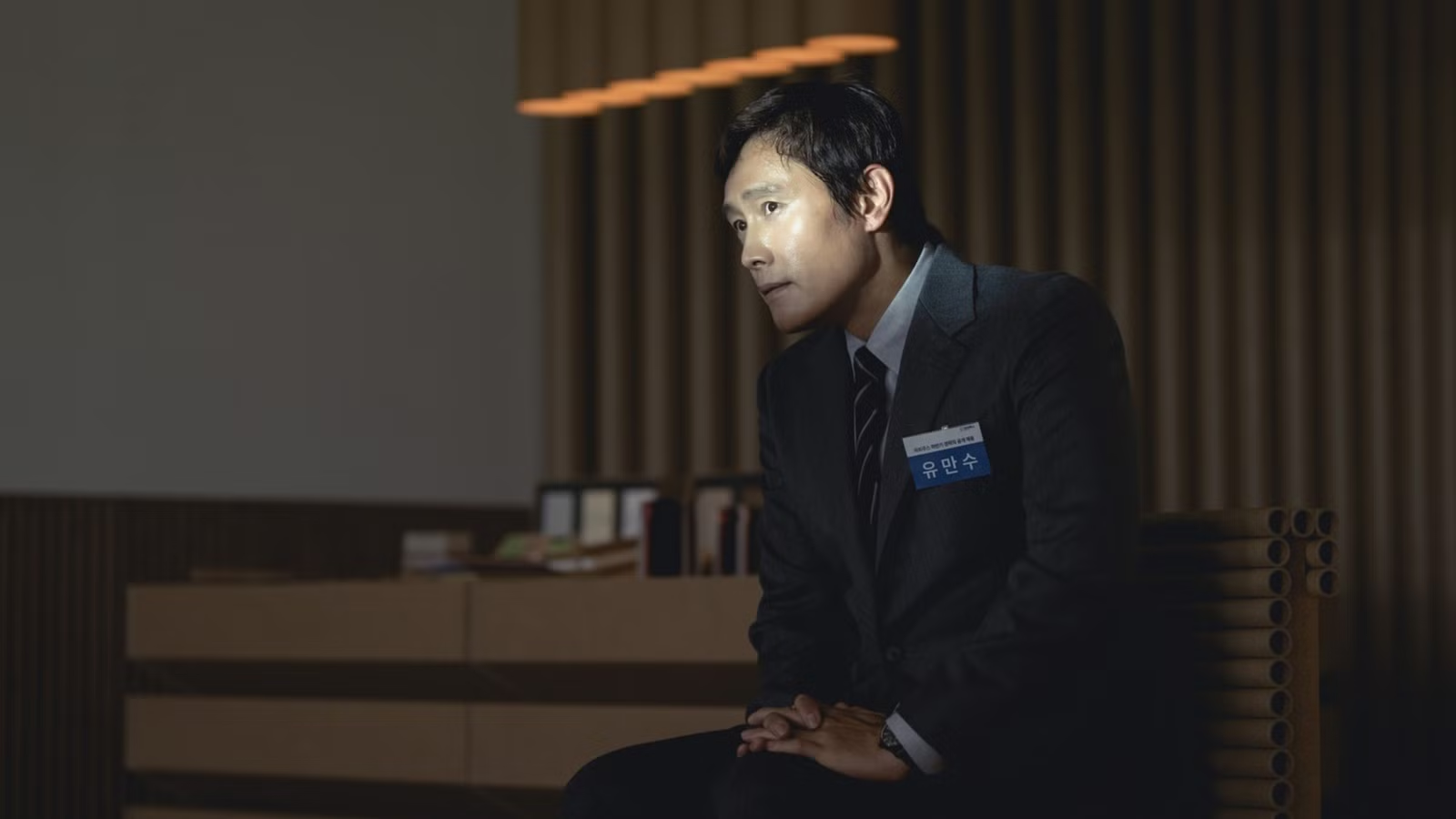
We follow Man-su, a factory worker who appears to have a near-perfect life. His 25-year career supports a comfortable lifestyle for himself and his family: his wife, Miri, who stays at home, two children aged around seven and twelve, two beautiful dogs, a large house, two cars, and even time and space for a hobby or two.
But, wait, this is not a programme on Lifestyle channel, this is a film by the director of Oldboy.
So when Man-su’s printing company is taken over by a competitor and he is made redundant, his entire way of life is threatened. As the sole breadwinner in the household, he needs to act, and quickly.
The takeover leaves just one major printing company in town. When Man-su discovers they are recruiting for a senior management role, he realises there are only a handful of candidates who could realistically compete for the position. From there, he sets out to literally eliminate his competition one by one, hoping this will leave the recruiter with no other option but to choose him.
Man-su is not portrayed as violent or inherently dangerous. He has no murderous instincts. But desperation pushes him into decisions he never would have considered otherwise. He has NO OTHER CHOICE but to resort to murder to survive.



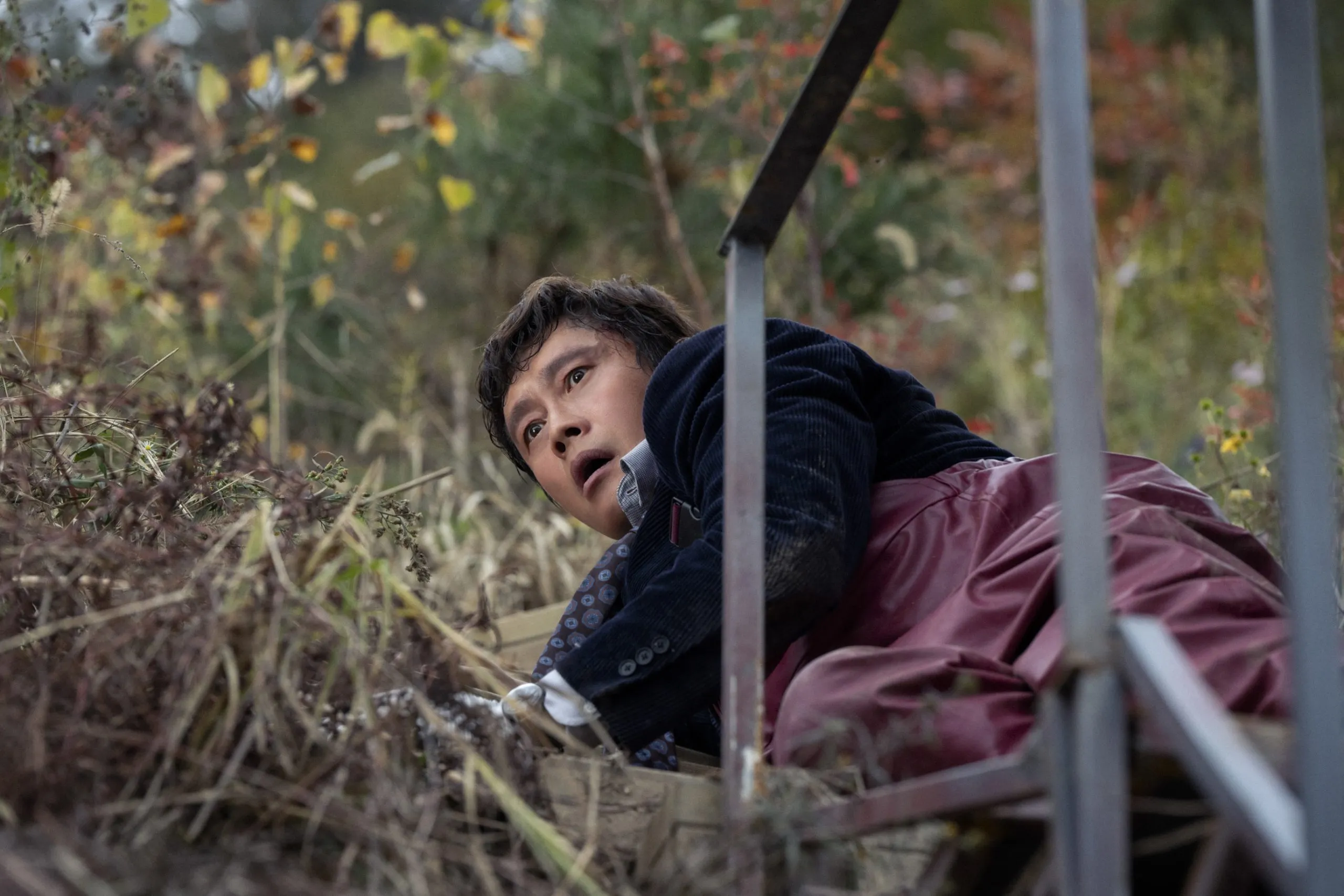


The premise is brilliant, but it only scratches the surface of what the film is truly about. This is a sharp critique of capitalism and its long-term impact on society, from automation and globalisation to generational displacement. Talented, loyal people are left behind as technology and economic systems move on without them. The film does not just talk about these themes, it shows their consequences.
What makes this film darkly funny and deeply affecting is that we experience all of this through Man-su’s family. One sudden, almost god-like intervention strips him of his job, and we slowly watch the family disintegrate under the pressure. Each member is pushed into a quiet state of despair, eventually forcing them to make extreme choices simply to survive.
Watching was a genuine treat, not only because of the layered social commentary, but the craft here is equally good. The direction, cinematography, and performances are all operating at an exceptional level, completing each other and elevating the message. There’s symbolic shots, muted dialogue and unexpected violence, exactly what you’d expect from this director.
Park Chan-wook reunites here with cinematographer Kim Woo-hyung, they worked together on the under-seen TV series The Little Drummer Girl. Here, they deliver similarly striking visuals, with perfect blocking that constantly enhances the meaning of each scene. There are moments where Man-su isin the foreground, while the background reveals something that has a different message, is unsettling and intensifies the emotional impact.
The acting is outstanding across the board. Man-su is an intelligent but introverted man, he is fiercely loyal to his family, yet forced to operate far outside his comfort zone. Lee Byung-hun, whom you’ll recognise from Squid Game, plays the role with remarkable restraint and consistency. He never betrays the character’s core, even as Man-su crosses moral lines that feel increasingly irreversible.
An excellent watch.

