
Film Review: 28 Days Later The Bone Temple (2026)
- Alex Kelaru

- Jan 27
- 4 min read
Sequels rarely live up to their predecessors. When they do, it usually feels accidental rather than intentional. 28 Years Later – The Bone Temple has every reason to stumble. A new director, new central characters and the weight of one of the most influential British horror films of the last few decades hanging over it. And yet, against the odds, it works. More than that, it thrives.
Director Danny Boyle hands over the reins to Nia DaCosta, while Alex Garland remains on writing duties. That handover alone raises concerns, but any doubts disappear quickly. This is not a safe continuation of the franchise, nor does it attempt to recreate the raw urgency of the first film. Instead, it takes a sharp left turn.
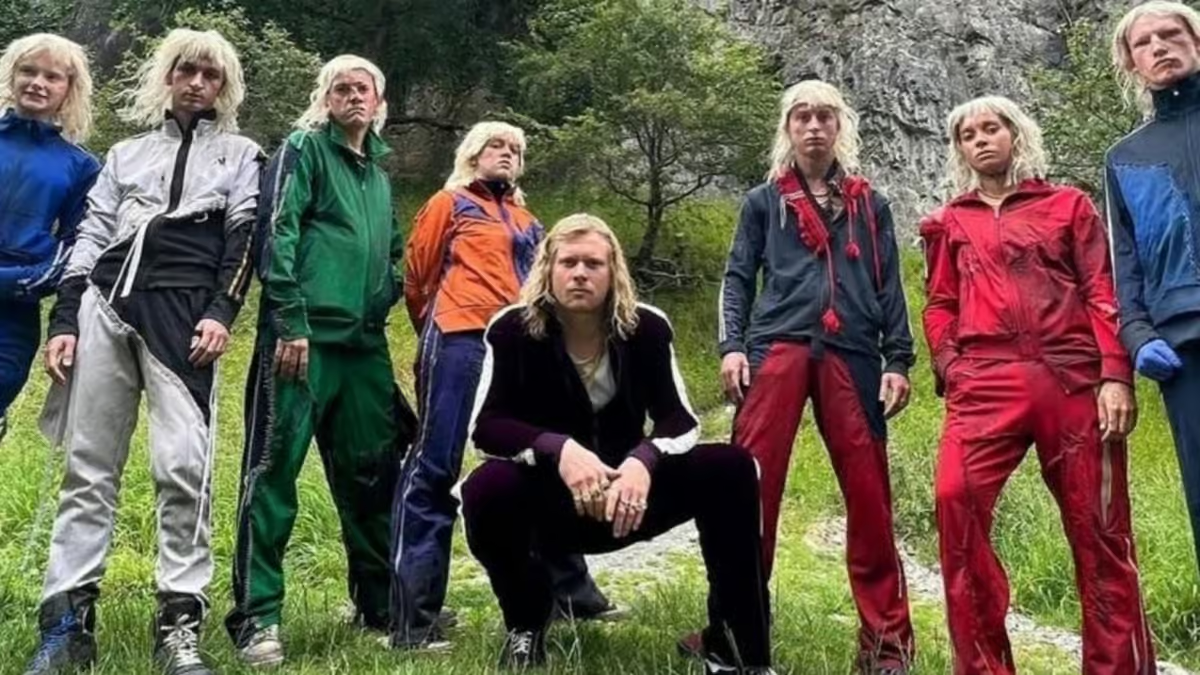
This is not a traditional zombie film. Yes, the infected are technically ragers, but the film fully embraces the zombie framework, both visually and thematically. We continue to follow Spike, played by Alfie Williams, who at the end of the previous film encounters a bizarre group of survivors dressed in colourful speedos and cheap wigs. They look absurd, but they are immediately unsettling.
This review assumes familiarity with 28 Years Later. There are spoilers for that film, but none for The Bone Temple itself.
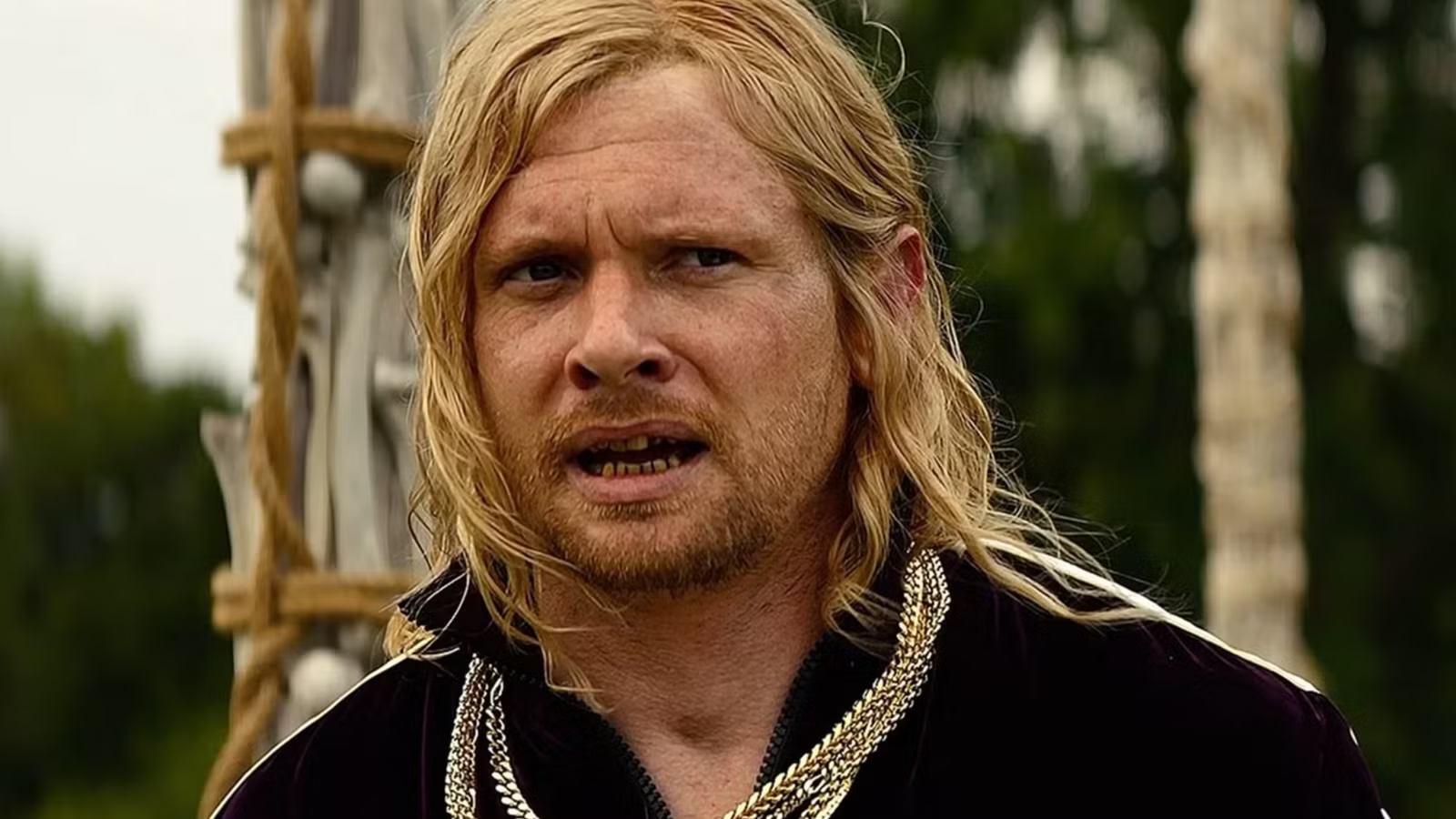
The group Spike encounters are all called Jimmys, led by Jimmy, played by Jack O’Connell. O’Connell continues his recent streak of remarkable performances, carving out another deeply disturbing character. After Sinners, he is fast becoming one of cinema’s most effective portrayals of charismatic menace.
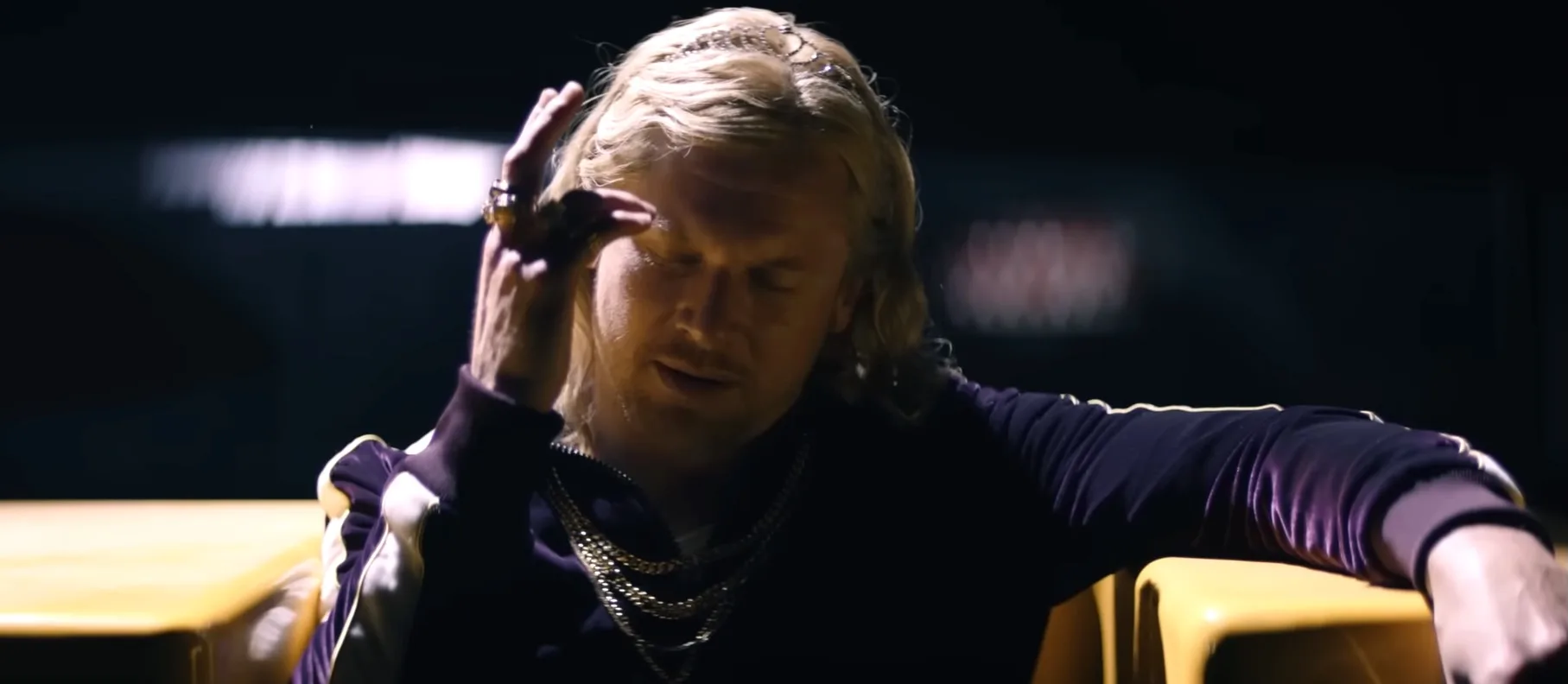
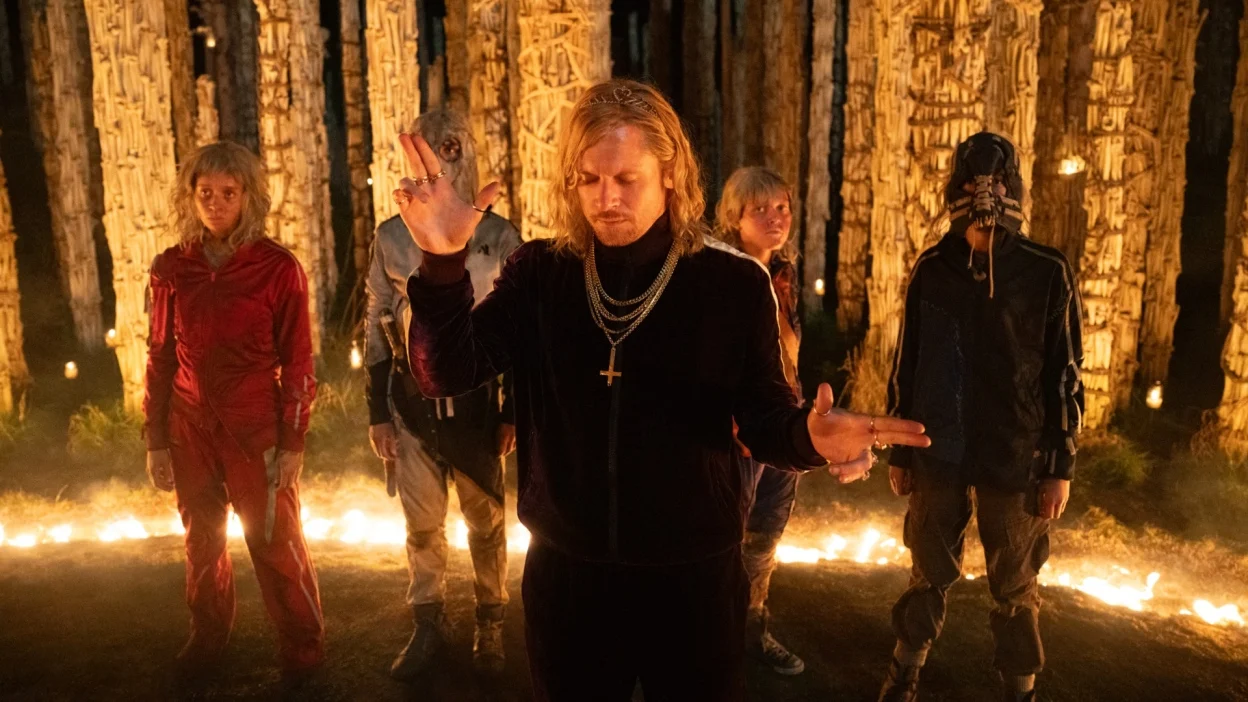


Spike is forced into joining this group, but the film quickly shifts its focus away from him. Instead, it follows the Jimmys as they move through the landscape, pillaging, burning, and killing anyone who crosses their path, infected or not. Running parallel to this storyline is Dr Kelson, who has retreated into an ossuary of bones and formed a strange bond with Samson, the Alpha infected first introduced in the previous film. Through this relationship, Kelson begins to question the nature of the infection itself, and what defines humanity when civilisation has collapsed.
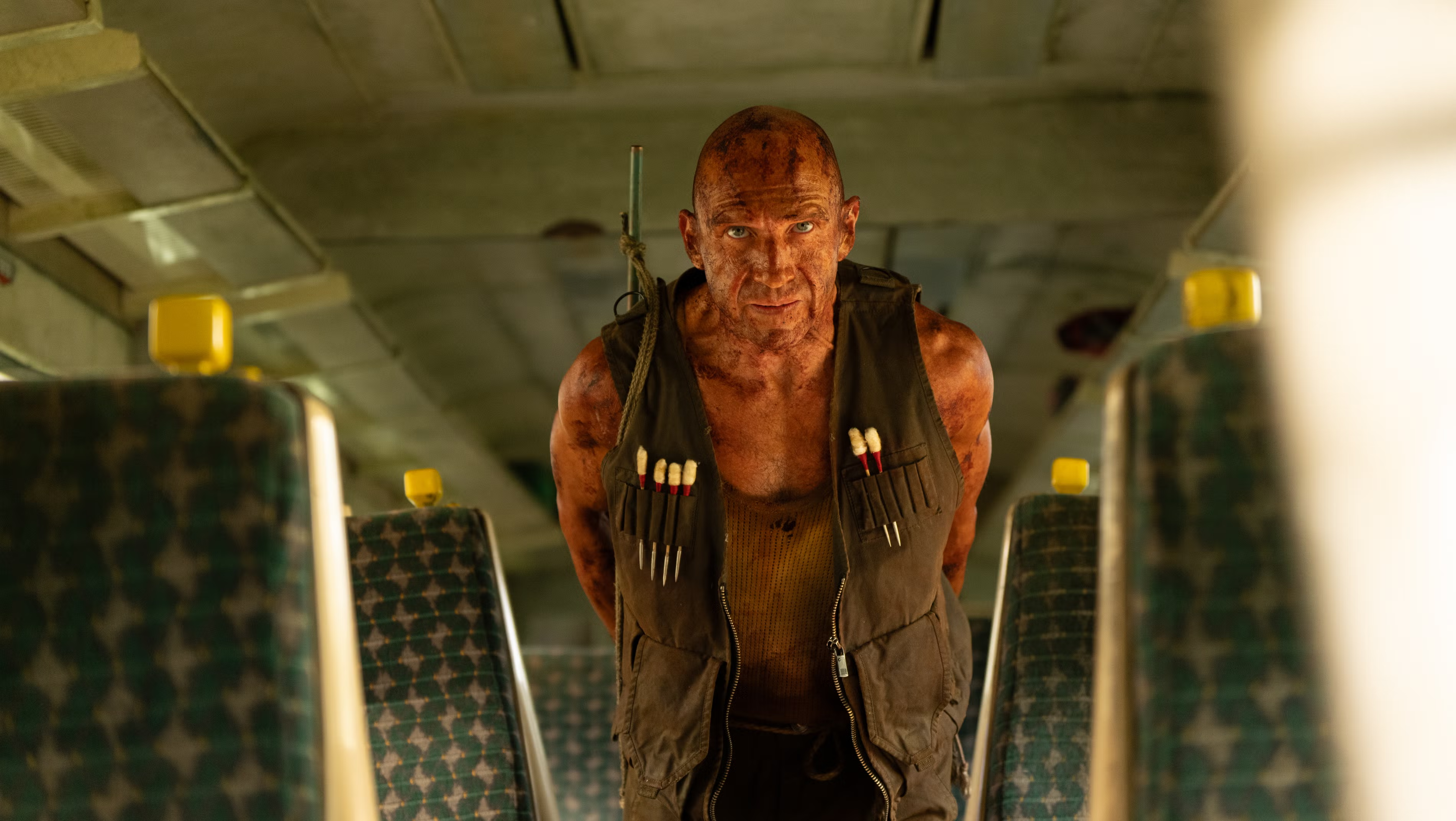
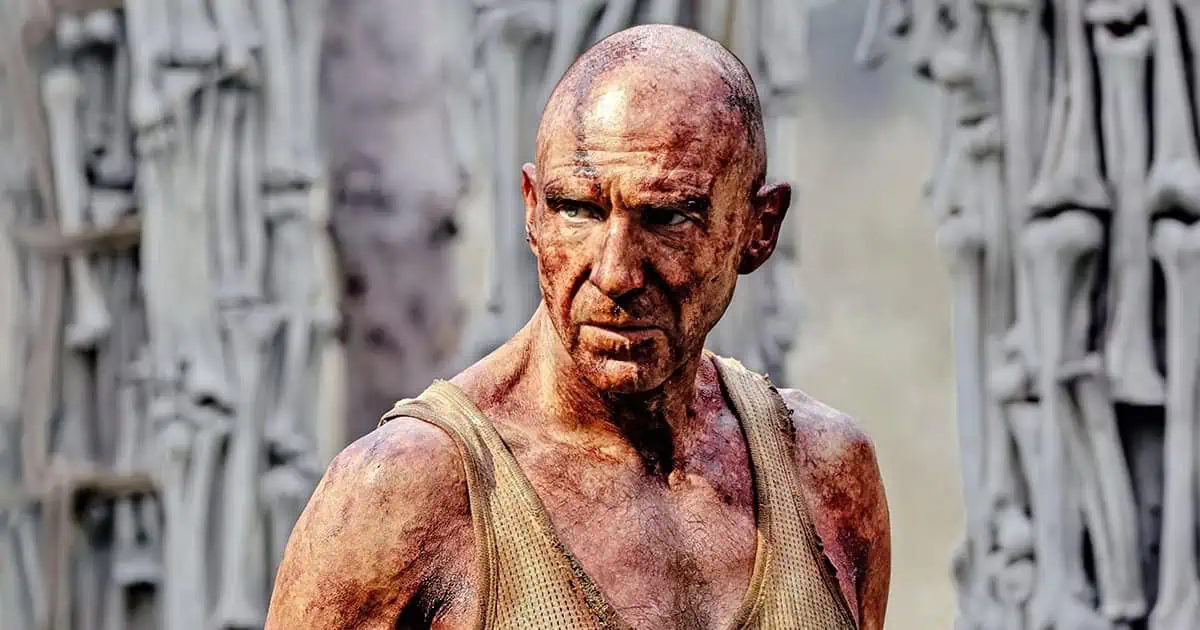
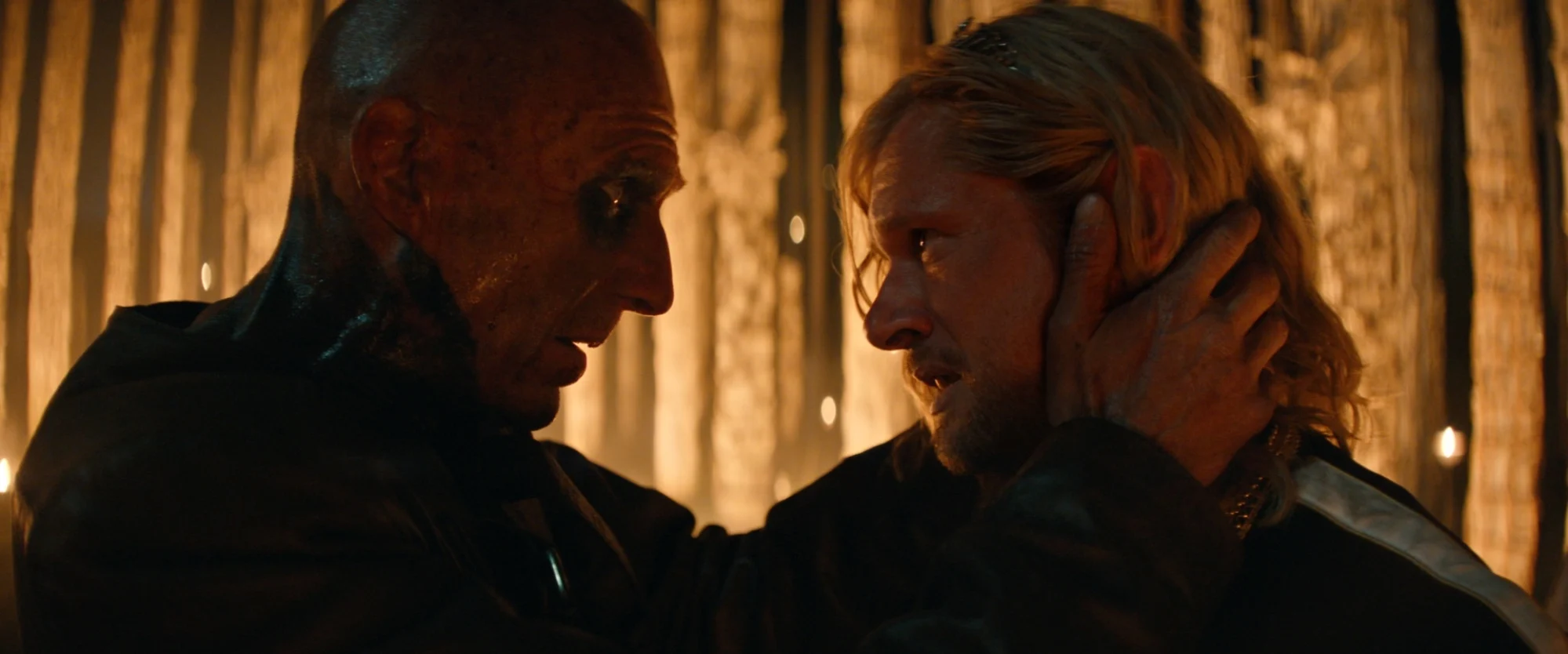
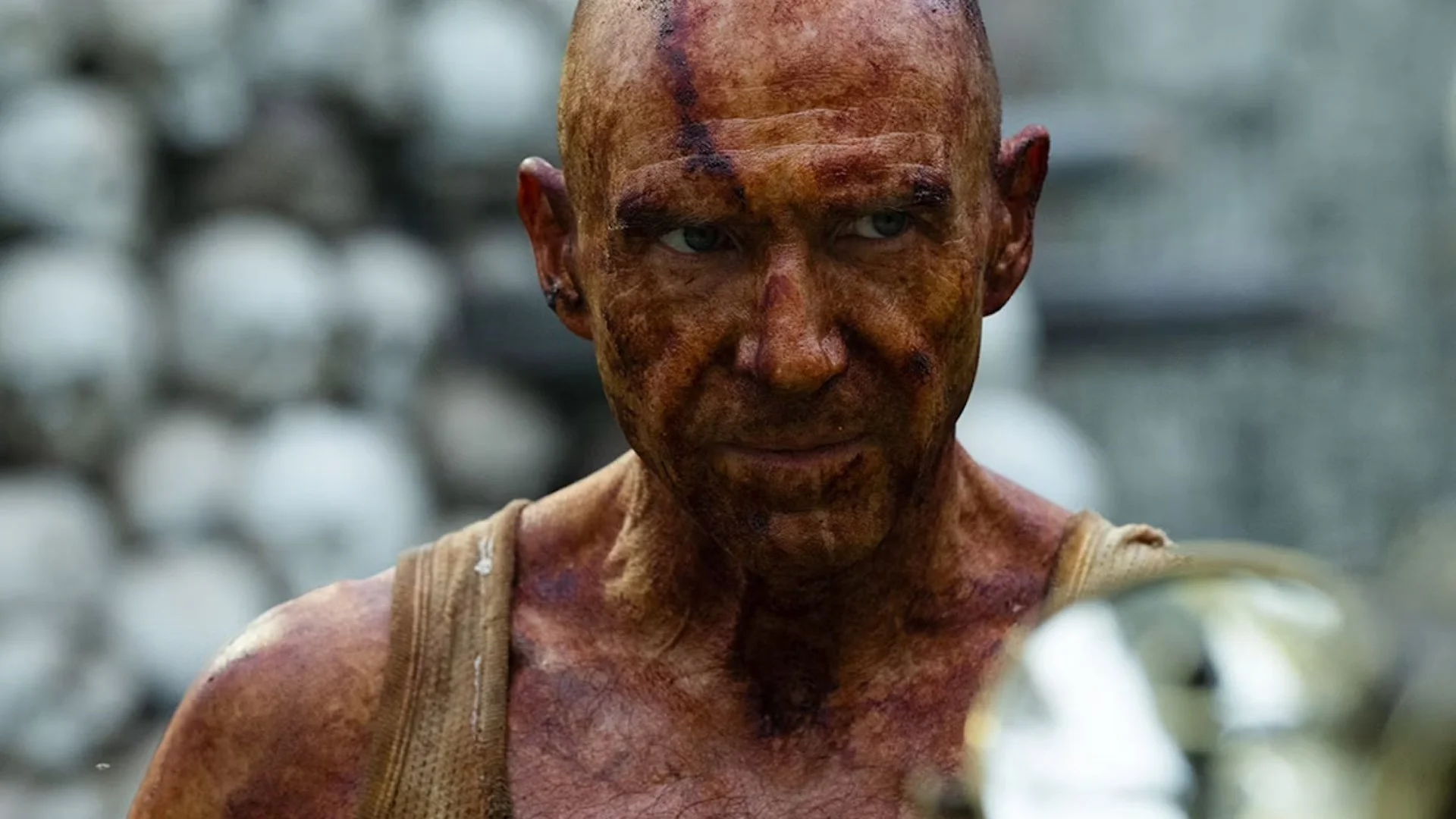
Despite its marketing, The Bone Temple contains surprisingly little action. Most of it is already visible in the trailer. What replaces it is a slow-burning psychological thriller set against an apocalyptic backdrop. This restraint allows the performances and ideas to take centre stage, and the film benefits enormously from it.
Two themes run in parallel throughout the story, eventually colliding in the final act. The first revolves around the Jimmys themselves. Their appearance is not random. Their colourful outfits are inspired by the children’s television show Teletubbies, named after the television screens on their bellies. At some point, they have clearly encountered fragments of old-world media and absorbed it without context, turning something innocent into something grotesque.
The name Jimmy refers to Jimmy Savile, once a highly visible figure in British media. After his death in 2011, hundreds of sexual abuse allegations were investigated, revealing him to be a serial predator. The film implies that the Jimmys admire the public image of Savile, unaware of the truth behind it. Their wigs become a symbol of corrupted memory and inherited myth.
Jimmy has formed a cult he calls the Fingers, united by devotion to a deity known as Old-Nick. Together, they believe they are destined to cleanse the world through violence. What makes Jimmy such a compelling antagonist is that he is not written as a caricature. Having never known the old world, this belief system is all he understands. To an outside observer, he is monstrous. Within the logic of this broken world, he is simply adapting. The writing allows this contradiction to sit uncomfortably and O’Connell plays it with chilling conviction.
The second theme centres on Dr Kelson and Samson. Kelson has developed a chemical compound that renders Samson docile, placing him in a trance-like state. But this relationship goes beyond control. Kelson is profoundly lonely, and Samson becomes his only form of companionship. The bond is largely one-sided, yet it brings unexpected humour and genuine emotional weight. Through Samson, Kelson gains insight into the infected, questioning whether they are truly monsters or if remnants of humanity still remain.
When these two threads finally converge, the film delivers a striking and memorable third act. It is slower and more controlled than the climax of the first film, allowing its themes to fully land. The result is an ending that feels earned, unsettling, and oddly satisfying. It is also almost guaranteed to inspire online discourse and visual imitation.
28 Years Later – The Bone Temple is absolutely worth the ticket price. It demands to be seen on the big screen and rewards repeat viewings. It is thoughtful, unsettling, and refreshingly different from anything else currently in the genre. The performances are exceptional, the writing is confident, and the direction is bold.
The only concern now is the third film. Following this will not be easy.

